The US minimum wage hike aims to ensure fair compensation for workers, impacting living standards and economic growth while prompting various responses from states and industries.
The recent US minimum wage hike is stirring conversations about its implications for workers nationwide. Have you considered how this change might affect your community and local economy? Let’s dive into what this means for everyone involved.
Understanding the minimum wage hike
The minimum wage hike is an essential aspect of economic policy that affects millions of workers. Understanding its nuances is crucial for both employees and employers. This law is designed to ensure a fair wage for workers, allowing them to live with dignity.
Why is the Minimum Wage Important?
A higher minimum wage can uplift many families from poverty. It can help workers afford basic necessities such as housing, food, and healthcare. By increasing the minimum wage, we’re also boosting the economy, as workers typically spend their earnings on local businesses.
Key Benefits of a Minimum Wage Hike
- Improved living standards for workers.
- Reduced reliance on public assistance programs.
- Increased consumer spending contributing to economic growth.
Many argue that raising the minimum wage may lead to job losses. However, studies show that in many cases, businesses adapt to higher wages without cutting jobs. Small businesses, while concerned, often find ways to maintain their workforce through increased productivity or adjusting prices.
Overall, understanding the **minimum wage hike** means looking at its effects, both positive and negative. It’s essential for public discourse and affects local economies in every city.
Economic impacts of raising the minimum wage
The economic impacts of raising the minimum wage are widely debated among economists, businesses, and workers. Understanding these effects is crucial for grasping how wage changes influence various sectors.
Increased Purchasing Power
When wages rise, workers have more money to spend on goods and services. This shift can lead to increased demand in local economies, boosting business revenues. More spending means that businesses may hire more staff to meet the demand.
Potential Job Losses?
Some critics argue that a higher minimum wage can lead to job losses. They claim businesses may cut jobs to maintain profits. However, studies demonstrate that job losses are often minimal or non-existent when wages are increased gradually. Many companies, especially larger firms, adjust by increasing prices or improving productivity instead.
- Employers may reduce employee hours.
- Businesses might automate certain tasks.
- Some companies could raise prices slightly.
In contrast, proponents of the wage increase advocate that higher wages can actually stimulate economic growth. Workers with more disposable income tend to spend their earnings on local businesses, further fueling job creation. When workers feel financially secure, they contribute to a stable economy, which encourages spending.
Moreover, businesses may witness lowered turnover rates as employees are more satisfied with their pay. When workers stay longer, companies save money on hiring and training new staff. This stability can ultimately lead to a more efficient workforce.
How states are responding to federal changes
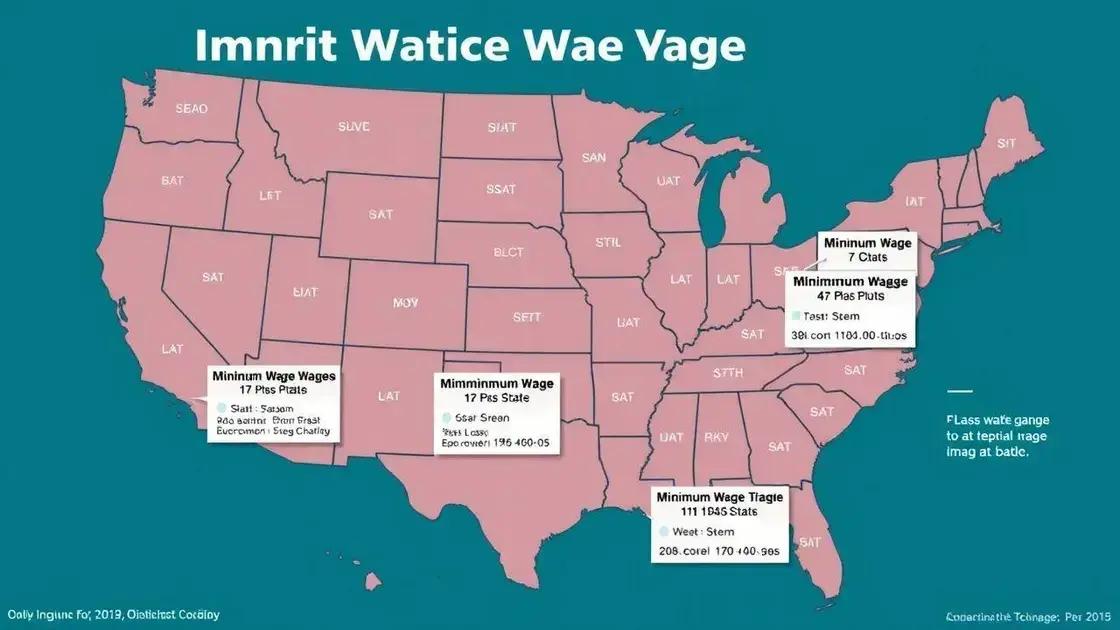
States are taking various approaches to respond to the federal minimum wage hike. Each state has its unique economic conditions and political landscapes that influence its decisions.
Diverse State Responses
Some states are choosing to adopt the federal minimum wage increase quickly, while others are implementing more gradual changes. States like California and New York are leading the way with plans to raise their minimum wages significantly.
Examples of State Actions
- California aims for a $15 minimum wage by 2023.
- New York is implementing regional increases based on local cost of living.
- Florida passed a ballot measure to increase the minimum wage to $15 by 2026.
On the other hand, some states are slower to adjust. They may resist the changes due to concerns about the potential impacts on small businesses. These states worry that sudden increases in wages could lead to layoffs or business closures.
The differences among states lead to a patchwork of wage policies across the country. This variation creates challenges for businesses that operate in multiple states, as they must navigate different wage laws. Understanding local regulations is essential for compliance and can affect hiring practices.
Overall, how states respond to the federal changes reflects their economic priorities and the needs of their residents. Each state’s strategy impacts workers and employers, shaping the labor market in diverse ways.
Workers’ rights and minimum wage legislation
Workers’ rights and minimum wage legislation are closely linked. Laws surrounding wages play a critical role in ensuring that employees receive fair compensation for their labor.
Understanding Workers’ Rights
Workers have the right to earn a minimum wage and to be protected from exploitation. Minimum wage laws ensure that employees are paid a baseline amount for their work, helping to safeguard their financial well-being. This legislation can impact various sectors, including retail, hospitality, and healthcare.
The Role of Legislation
- Minimum wage laws set a floor for earnings.
- These laws can vary significantly by state.
- Legislation is often influenced by economic conditions and social movements.
In many states, there are ongoing debates about raising the minimum wage to reflect the cost of living. Advocates argue that a higher wage leads to better living standards and reduces the need for government assistance. Those opposing increases often cite potential job losses or inflation as concerns.
It is essential for workers to understand their rights in relation to minimum wage laws. Knowing what they are entitled to can empower employees in their negotiations for fair pay. Many organizations provide resources and information to help workers navigate these laws effectively.
The relationship between workers’ rights and minimum wage legislation is complex. As society evolves, these laws may continue to change to meet the needs of both employees and employers.
Future of employment and wage growth
The future of employment and wage growth is shaped by several factors including technology, economic trends, and societal changes. Understanding these trends can help both workers and employers navigate this evolving landscape.
Technology and Automation
As technology advances, automation is becoming more common in various industries. While this can lead to job displacement, it also creates new opportunities in tech-driven sectors. Workers may need to adapt by developing new skills to meet changing job requirements.
Education and Skill Development
- Investing in education can enhance employability.
- Upskilling allows workers to transition to higher-paying jobs.
- Vocational training can prepare workers for specialized roles.
Wage growth is not guaranteed for all sectors. Industries that thrive will have the potential to offer higher wages, while those that struggle may see stagnation. Employees will benefit from continuous learning and adaptation to market demands. Moreover, as the demand for skilled labor increases, wages for those positions are likely to rise.
In addition, government policies and labor movements can significantly influence wage structures. Advocacy for higher minimum wages can push companies to adjust their pay scales. When combined with inflation, these changes can lead to measurable improvements in living standards for many workers.
Overall, the intersection of employment trends and wage growth will define the future landscape of work. Staying informed about these dynamics can empower individuals and organizations to thrive in an ever-changing economy.
FAQ – Frequently Asked Questions About Minimum Wage and Employment
What is the minimum wage and why is it important?
The minimum wage is the lowest amount legally that workers can be paid. It is important because it helps ensure fair compensation and protects vulnerable workers from exploitation.
How do state minimum wage laws differ?
State minimum wage laws can vary widely. Some states have set higher minimum wages than the federal standard, reflecting local economic conditions and cost of living.
What are the potential benefits of increasing the minimum wage?
Increasing the minimum wage can lead to higher living standards, increased consumer spending, and reduced reliance on public assistance programs.
How does automation impact jobs and wages?
Automation can lead to job displacement in some sectors but also creates new jobs in technology-driven fields. Workers may need to develop new skills to adapt to these changes.