Staying updated on severe weather warnings in the USA is crucial for safety; rely on local news, the National Weather Service, weather apps, and community resources to receive timely alerts and ensure preparedness.
Today’s weather warnings USA are crucial to keeping you and your loved ones safe. With unpredictable weather patterns, knowing how to react is vital. What will you do to prepare for sudden storms or other alerts?
Understanding the different types of weather warnings
Understanding the different types of weather warnings is essential for safety. These warnings inform the public about imminent weather hazards, allowing everyone to prepare. Knowing what each warning means can help save lives.
Types of Weather Warnings
The National Weather Service (NWS) issues several types of warnings. Each signals different levels of danger. Here are the main categories:
- Severe Thunderstorm Warnings: Indicate the possibility of strong winds, hail, and other hazards.
- Tornado Warnings: Announce impending tornadoes, urging immediate action.
- Flood Warnings: Alert about rising water levels that can cause dangerous floods.
- Winter Weather Warnings: Cover heavy snow, ice, and other winter-related hazards.
Once you know these warnings, you can take action. For example, if a tornado warning is issued, seek shelter immediately. Awareness is key to safety during severe weather events.
Impact of Weather Warnings
Weather warnings impact our daily lives in many ways. They can cancel events, disrupt travel, and alter routines. Change can be unsettling, but being informed helps everyone stay safe. Schools may close or delay openings during severe conditions, allowing families more time to prepare.
Additionally, communities often come together during such times. Neighbors check in on each other, sharing supplies and information. This sense of community is vital when threats arise. Preparedness starts with understanding the types of warnings and their implications.
How weather warnings affect daily life
Weather warnings significantly influence daily life, affecting plans and routines. When a severe weather warning is issued, people need to change how they go about their activities. This can lead to increased awareness and preparedness in the community.
Changes in Daily Activities
Most people adjust their schedules in response to weather warnings. For instance, outdoor events might be canceled or postponed. Schools often announce closures, which keeps students safe. Families may have to stock up on supplies, creating a sense of urgency in their community.
- Travel Disruptions: Flights and road trips may be canceled or delayed.
- School Closures: Schools may close to protect students during severe weather.
- Emergency Preparedness: Households often prepare by checking their emergency kits.
Additionally, businesses may alter hours or policies. Retail stores often see a spike in sales of essentials, like food and batteries. These shifts also reflect how people prioritize safety when faced with potential dangers.
Community Response
Community resources are vital during severe weather. Local governments provide updated information, keeping residents informed. Neighbors often band together to help one another, sharing resources like food and shelter. This sense of community support can be comforting during challenging times.
The impact of weather warnings goes beyond individual experiences. It creates a collective awareness that brings people together. For example, when a flood warning is announced, you may see neighbors checking on each other and offering assistance.
Tips for preparing for severe weather patterns
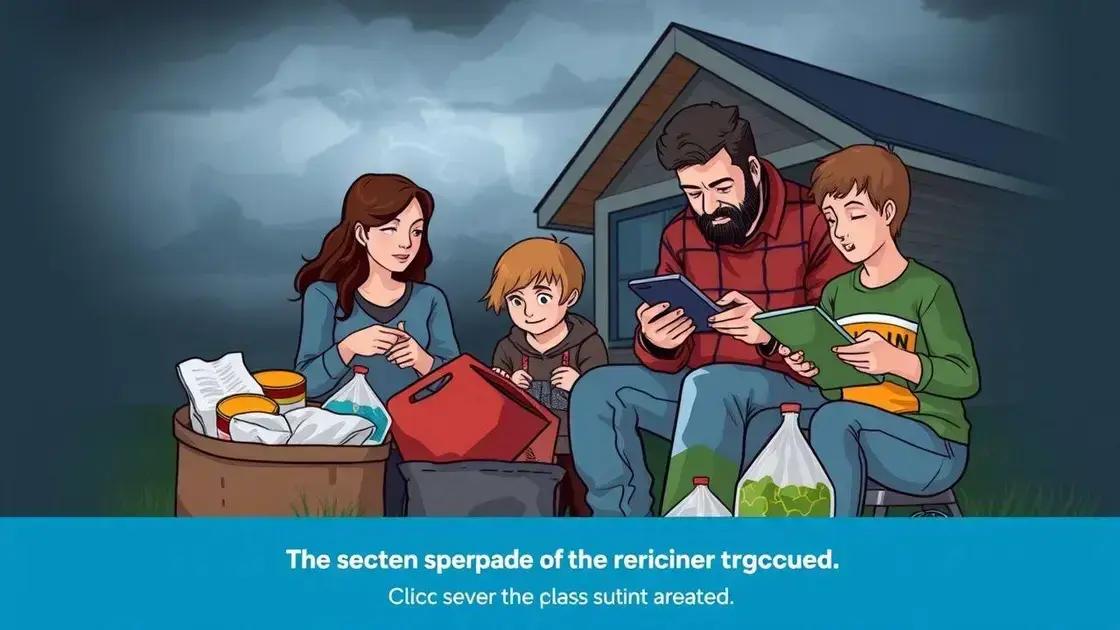
Preparing for severe weather patterns is crucial for safety and peace of mind. Knowing what to do in advance can help protect you and your loved ones when storms or other emergencies strike. Being prepared also means you can respond quickly to changing conditions.
Essential Preparation Steps
There are several steps you can take to ensure you’re ready for severe weather. Creating an emergency plan is one of the most important. This plan should involve every member of your family so that everyone knows what to do.
- Build an emergency kit: Include items like water, non-perishable food, flashlights, and batteries.
- Stay informed: Sign up for weather alerts through local services.
- Make a family communication plan: Decide how you will contact each other during an emergency.
- Identify safe locations: Know where to go in case of severe weather, like a storm shelter.
Additionally, it is wise to have a first aid kit on hand. This kit should be regularly checked to ensure supplies are up to date. When severe weather is forecasted, monitoring updates can help you stay ahead.
Home Safety Measures
Securing your home is also important. Check that your windows and doors are storm-ready. For example, install storm shutters or board up windows if a hurricane is expected. Trim trees and remove debris that could become projectiles during high winds.
Also, consider reinforcing your garage door to prevent it from collapsing during severe storms. Having a well-maintained home can significantly reduce damage from severe weather patterns.
Resources for staying updated on weather alerts
Staying updated on weather alerts is essential for safety, especially during severe weather. There are many resources available to help you get timely information and alerts about changing weather conditions.
Reliable Sources of Information
Using trustworthy sources ensures you receive accurate alerts. Official weather services are the best places to start. Here are key resources you can use:
- National Weather Service (NWS): Visit their website or follow them on social media for the latest updates.
- Local News Stations: They provide live updates and notifications during severe weather events.
- Weather Apps: Download apps that offer real-time alerts, radar updates, and local weather forecasts.
- NOAA Weather Radio: This dedicated weather radio broadcasts alerts 24/7 for your area.
Each of these resources can easily keep you informed of any weather changes. For example, mobile apps can send push notifications directly to your phone, ensuring you never miss important alerts.
Community Engagement
Being part of your community also helps in staying updated. Local community groups and neighborhood social media pages often share information rapidly. Residents can post updates about conditions, safety tips, and any local resources available. Engaging with your community helps create a network of support during severe weather, allowing for quicker responses.
Additionally, joining forums or groups focused on weather can provide insights from others’ experiences. These platforms foster discussions on preparation and tips for effectively dealing with severe weather patterns.
The importance of community awareness and response
The importance of community awareness and response during severe weather cannot be overstated. When everyone in a community is informed and vigilant, it enhances safety for all. Communities that work together can better prepare for, respond to, and recover from extreme weather events.
Building a Support Network
Creating a network of support begins with communication. Neighbors should share contact information and discuss plans for various weather scenarios. This preparation ensures that everyone knows who to reach out to during an emergency.
- Sharing Resources: Communities can organize resource-sharing programs for emergency supplies.
- Forming Local Groups: Establish neighborhood watch groups or community emergency response teams.
- Hosting Meetings: Regular meetings can keep residents informed on safety measures and resources available.
Awareness means keeping each other updated about weather alerts. If someone notices a severe weather alert, they should communicate that information swiftly. This connection among neighbors has the power to save lives and reduce panic.
Training and Education
Education is vital for effective response. Community members should know how to respond to different weather emergencies. Training sessions on first aid, CPR, and emergency preparedness can make a significant difference. Such skills can help individuals assist others during a crisis.
Additionally, schools can participate by educating children about severe weather awareness. This not only empowers kids but also spreads the message to families, creating a knowledgeable community. By fostering a culture of readiness, everyone feels more secure.
FAQ – Frequently Asked Questions about Weather Preparedness
What should I include in my emergency kit?
Your emergency kit should have essentials like water, non-perishable food, flashlight, batteries, first aid supplies, and important documents.
How can I stay updated on severe weather alerts?
You can stay updated by using resources like the National Weather Service, local news stations, weather apps, and NOAA Weather Radio.
Why is community awareness important during severe weather?
Community awareness helps ensure that everyone is informed and prepared, allowing for a quicker response and mutual support during emergencies.
What resources can help my community prepare for severe weather?
Resources like emergency preparedness workshops, local organizations, and online guides can provide valuable information and training for community members.