California wildfire coverage provides essential alerts, tips for property safety, and recovery resources to help residents prepare and respond effectively to wildfire threats.
California wildfire coverage is crucial for everyone living in or near affected areas. With wildfires becoming increasingly prevalent, knowing how to access timely updates can make a real difference in safety and preparedness.
Understanding the causes of wildfires in California
Understanding the causes of wildfires in California is crucial for effective prevention and response. Wildfires can start from a variety of factors, both natural and human-made. Among the primary natural causes are lightning strikes and dry climate conditions. These factors create an environment conducive to fires, especially during the hot summer months.
Natural Causes of Wildfires
Lightning ignites thousands of wildfires each year, particularly in remote areas with dense vegetation. When dry conditions prevail, even a single strike can lead to devastating consequences.
- Lightning strikes: A significant cause, particularly during thunderstorms.
- Vegetation type: Certain plants, like chaparral, are more flammable.
- Low humidity: Dry air can increase fire risk dramatically.
Additionally, California’s varied terrain influences wildfire behavior. Mountainous areas can channel winds, accelerating fire spread. Keeping an eye on weather conditions is vital during high-risk periods.
Human-Made Causes of Wildfires
On the other hand, human activities account for a large percentage of wildfires in the region. These can result from negligence or accidents, and the increase of recreational activities heightens the risks.
- Campfires: Unattended campfires can quickly escalate out of control.
- Power lines: Equipment failure can spark fires during windy conditions.
- Arson: Deliberate acts can lead to severe wildfire outbreaks.
Effective wildfire management requires understanding both the natural and human factors that contribute to fire outbreaks. By being aware of these causes, residents can take proactive steps to minimize their risks.
Impact of wildfires on local communities
The impact of wildfires on local communities in California is profound and far-reaching. When a wildfire strikes, it can disrupt lives in countless ways, affecting both the environment and the economy. Understanding these impacts helps in planning and recovery.
Destruction of Property
One of the most immediate effects of wildfires is the destruction of homes and businesses. Entire neighborhoods can be lost in mere hours, leaving families displaced and searching for shelter. The emotional toll can be just as devastating as the physical loss.
- Homes destroyed: Many families face the complete loss of their residences.
- Business closures: Local businesses may shut down temporarily or permanently due to damage.
- Infrastructure damage: Roads and utilities are often affected, complicating recovery efforts.
Beyond the destruction, the effects can linger for years. Rebuilding efforts require significant time and resources, leaving communities in a prolonged state of recovery.
Health Impacts
Health issues also arise due to wildfires, primarily from smoke inhalation. The air quality can plummet, leading to respiratory problems, especially among vulnerable populations such as children and the elderly.
- Respiratory issues: Increased cases of asthma and other lung conditions.
- Mental health challenges: Trauma from evacuations and loss can result in anxiety and depression.
- Access to healthcare: Health services may be disrupted during a wildfire.
Residents often face an uphill battle to restore their health, further complicating recovery. Support systems become essential in helping individuals cope.
Community and Economic Challenges
Wildfires can lead to significant economic challenges for affected communities. Tourism, a vital part of California’s economy, can decline sharply after a wildfire, impacting jobs and local businesses.
- Job losses: Many residents may find themselves unemployed due to business closures.
- Decrease in tourism: Areas affected by fires can be less appealing to visitors.
- Long-term economic effects: It can take years for full economic recovery.
The interconnectedness of these factors illustrates the ripple effects that wildfires can have on local communities. Recognizing these impacts aids in fostering resilience and preparedness among residents.
Tips for safeguarding your property during wildfires
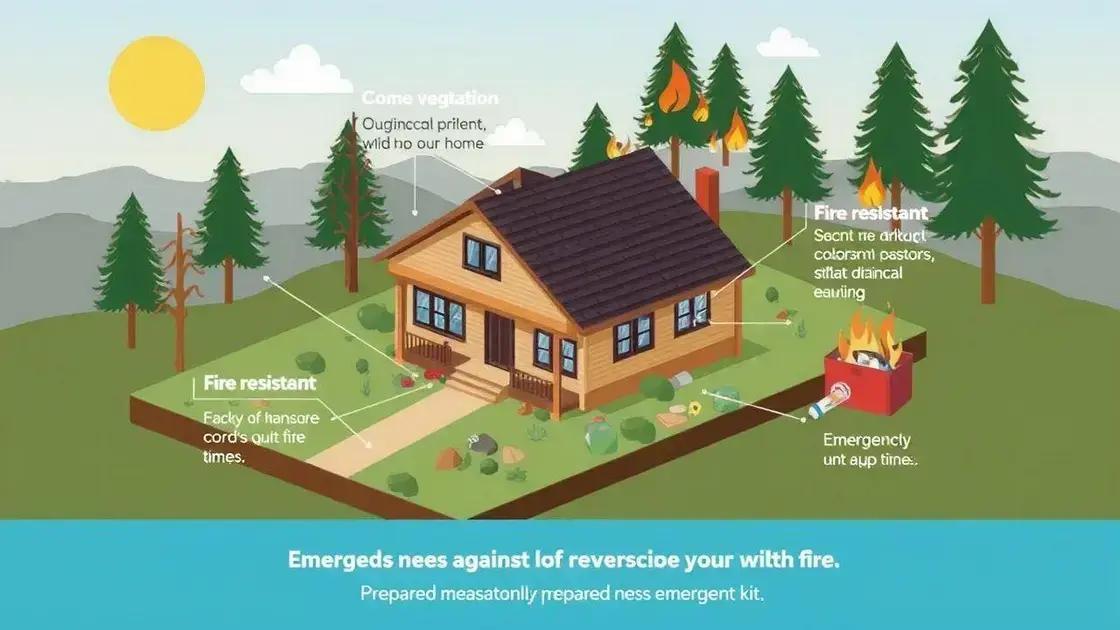
Safeguarding your property during wildfires is crucial for minimizing damage and protecting your loved ones. With the right precautions, you can significantly reduce the risks associated with wildfires.
Prepare Your Property
Start by assessing your property for any potential hazards. Clearing flammable materials such as dry leaves, branches, and other debris can make a significant difference.
- Clear vegetation: Maintain a defensible space by trimming trees and shrubs away from your home.
- Store firewood away: Keep firewood and propane tanks at least 30 feet from your house.
- Use fire-resistant materials: Opt for fire-resistant roofing and siding to increase your home’s resilience.
These actions can help create a buffer zone, slowing down or stopping the spread of flames.
Create an Emergency Plan
Having an emergency plan is vital for your family’s safety. Discuss evacuation routes and establish a meeting point for family members.
- Know multiple routes: Be familiar with at least two ways to evacuate from your area.
- Prepare an emergency kit: Include essentials like food, water, medications, and important documents.
- Communicate: Ensure family members have a way to connect in case of separation.
By preparing in advance, you can ensure a smoother response when faced with the threat of a wildfire.
Stay Informed
Monitoring local news and weather reports is essential during wildfire season. Alerts can help you react quickly to changing conditions.
- Sign up for alerts: Register for local emergency notifications to receive real-time updates.
- Follow local authorities: Respect any evacuation orders issued by local officials.
- Join community groups: Being part of local organizations can provide additional resources and support.
Staying informed empowers homeowners to take necessary actions promptly, protecting both lives and property during wildfires.
How to stay updated on wildfire alerts
Staying updated on wildfire alerts is essential, especially during the dry season in California. Quick access to accurate information can keep you and your loved ones safe.
Utilize Technology
Modern technology offers various ways to receive alerts directly to your phone or computer. Many apps and services provide real-time notifications about wildfires in your area.
- Download a wildfire app: Apps like Red Cross or Cal Fire offer timely notifications and safety tips.
- Follow social media: Platforms like Twitter and Facebook often have real-time updates from emergency services.
- Enable push notifications: Ensure your local news apps send you alerts about changing conditions and evacuations.
By using these tools, you can stay ahead of any potential threats.
Sign Up for Local Alerts
Local governments and emergency services frequently issue alerts through various channels. Signing up for these services is a proactive step towards safety.
- Register for text alerts: Many counties have systems in place to send text messages to residents.
- Join email lists: Subscribe to your local fire department’s newsletters to receive critical updates.
- Check community boards: Local forums or websites often share important information regarding current fire risks.
Being informed through local sources helps create a strong community response to emergencies.
Watch Weather Reports
Weather conditions can quickly change and influence fire risks. Regularly check weather forecasts to stay informed.
- Monitor air quality: Poor air quality often indicates nearby wildfires or risk of wildfires.
- Keep track of wind patterns: Wind can spread wildfires rapidly, so knowing the forecast is key.
- Be aware of red flag warnings: These warnings indicate high fire danger and provide critical information.
By keeping an eye on both alerts and weather conditions, you can take timely actions to protect your home and family.
Resources for wildfire recovery and assistance
Resources for wildfire recovery and assistance are vital for those affected by the devastation of wildfires. Knowing where to turn for help can make a significant difference during recovery.
Federal Assistance Programs
Many federal programs provide financial aid and support for families and communities affected by wildfires. One key resource is the Federal Emergency Management Agency (FEMA). FEMA offers various assistance options to help with recovery.
- Individual Assistance: Financial help for individuals and families to pay for disaster-related expenses.
- Public Assistance: Funds for state and local governments to repair infrastructure.
- Hazard Mitigation Grant Program: Supports projects that reduce future wildfire risks.
These programs are essential for rebuilding homes and restoring infrastructure.
State and Local Resources
Many states also offer resources specific to wildfire recovery. For example, California has its own recovery programs that provide aid to affected residents.
- California Office of Emergency Services: Offers recovery resources and information for residents.
- Local Red Cross chapters: Provide immediate shelter and resources to affected communities.
- Job training programs: Assist displaced workers in finding new employment opportunities.
Engaging with these local resources can help communities recover more quickly.
Nonprofit Organizations
Nonprofit organizations play a crucial role in supporting wildfire recovery. They often provide financial assistance, emotional support, and resources for rebuilding.
- Wildfire Recovery Fund: Offers direct financial assistance to families impacted by wildfires.
- Community organizations: Many local groups focus on providing resources, including emotional support and housing assistance.
- Charitable foundations: Some foundations specifically help in rebuilding efforts for families who lost everything.
Connecting with these nonprofits can provide vital support and resources during the recovery process.
FAQ – Frequently Asked Questions about Wildfire Preparedness and Recovery
What should I do to prepare my property for wildfires?
Clear brush, keep firewood away from the house, and use fire-resistant materials for your home to enhance safety.
How can I stay informed about wildfire alerts?
Download emergency apps, sign up for local alerts, and follow local news for real-time updates on wildfires.
What resources are available for wildfire recovery?
Both federal and state assistance programs, as well as nonprofit organizations, offer financial aid and support for affected individuals.
Why is having an emergency plan important?
An emergency plan ensures that your family knows what to do during a wildfire evacuation, reducing panic and increasing safety.