Grocery savings tips include meal planning, using coupons, leveraging cashback apps, and considering bulk buying to effectively reduce your overall grocery expenses.
Grocery savings tips can truly make a difference in your monthly expenses. Have you ever wondered how a few simple changes can significantly lower your bills? Let’s delve into some practical strategies to help you shop smarter and keep more money in your pocket.
Understanding your grocery budget
Understanding your grocery budget is crucial for keeping your finances in check. It helps you see where your money goes and how you can save more. Have you ever realized that a small change can make a big difference?
Tips to Track Your Grocery Spending
To effectively manage your grocery budget, start by tracking your spending. Keep a list of what you’re buying each week. This not only shows you where your money is going but also helps identify areas to cut back.
- Use budgeting apps to simplify tracking.
- Review your grocery receipts regularly.
- Create a weekly spending limit.
Also, be aware of seasonal pricing. Grocery prices can fluctuate based on seasonal changes. For instance, fruits and vegetables are typically cheaper during their peak seasons. By planning your meals around these items, you can save significantly.
Setting a Realistic Grocery Budget
Next, it’s essential to set a realistic grocery budget. Think about your income and how much you spend on groceries now. Aim for a budget that allows for some flexibility while still being manageable.
A good way to decide is to check how much you typically spend monthly. Then, allocate a portion of your income for groceries. It’s important to remain realistic; if you spend over budget, adjust accordingly.
- Consider using the “50/30/20” rule for budgeting.
- Identify fixed and variable expenses.
- Don’t forget to factor in household items.
Regularly revisiting and adjusting your budget will help you stay on track. Be sure to check for any upcoming sales or store promotions that might help you save more. This way, you can align your shopping habits with your financial goals.
Top strategies to save on groceries
Exploring the top strategies to save on groceries can help you maximize your savings while ensuring you get the necessities. Small shifts in how you shop can lead to significant savings.
Plan Your Meals
Meal planning is one of the most effective ways to stay on budget. By deciding what to eat for the week, you can avoid impulse purchases and reduce food waste.
- Choose recipes based on what’s on sale.
- Create a shopping list from your meal plan.
- Stick to your list while shopping.
Additionally, consider batch cooking meals. This not only saves time but allows you to buy ingredients in bulk, often at a better price. Cooking larger portions means you can freeze extras for busy days.
Utilize Coupons and Promotions
Coupons and store promotions are key tools for saving money. Most stores offer weekly sales that can significantly reduce your grocery bill. Check flyers and apps for the latest deals.
- Use digital coupons and apps to track offers.
- Combine coupons with sales for maximum savings.
- Sign up for store loyalty programs to earn additional discounts.
Moreover, don’t forget to check price matching policies. Some stores will match competitor prices, which can help you nab the best deals without extra travel.
Another great way to save is to buy generic or store-brand products. Often, these items are just as good as their branded counterparts and come at a lower price. Compare labels and you might find substantial savings.
How to plan meals effectively
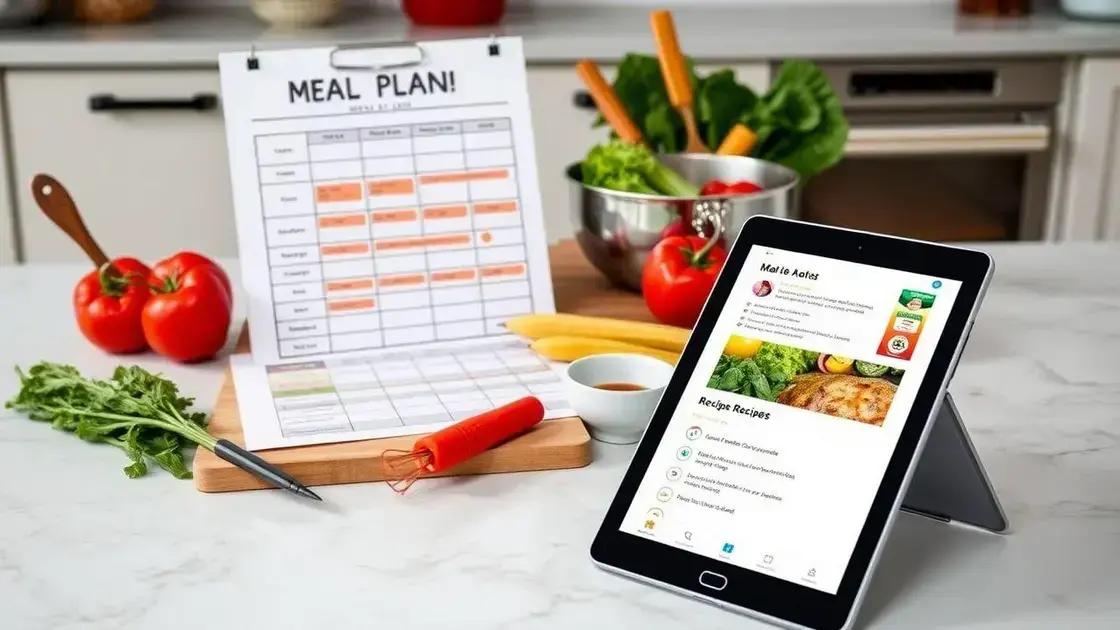
Knowing how to plan meals effectively can greatly simplify your grocery shopping and save you money. Having a clear plan makes it easier to choose what you will eat and helps prevent unnecessary purchases.
Set a Weekly Meal Plan
Begin by setting a weekly meal plan. Decide which meals you want for breakfast, lunch, and dinner. This will guide your shopping list and keep you focused on your goals.
- Consider family preferences and dietary needs.
- Look for recipes that use similar ingredients.
- Include a day for leftovers to minimize waste.
Make a list of ingredients based on your meal plan. This helps ensure you have everything you need without buying extras you won’t use.
Organize Your Shopping List
Next, organize your shopping list by categories, such as produce, dairy, and meats. This will make your shopping trip more efficient and less time-consuming. When you know where items are located in the store, you can save time.
Always check your pantry and fridge before heading to the store. This will help avoid buying duplicates of items you already have at home.
Another effective strategy is to batch-cook meals ahead of time. Prepare meals for the week all at once, so you are less tempted to eat out on busy days. Having meals ready to go can not only save time but also helps keep you within budget.
Using coupons and cashback apps
Using coupons and cashback apps is a fantastic way to save money on groceries. These tools can help lower your total bill, leaving more room in your budget for other expenses.
Finding and Organizing Coupons
Start by gathering coupons. They can be found in local newspapers, online coupon sites, and grocery store apps. Organizing your coupons can save time and ensure you use them effectively.
- Create a coupon binder or envelope for easy access.
- Sort coupons by category, such as dairy, produce, or snacks.
- Check expiration dates regularly to avoid waste.
In addition to paper coupons, consider using digital coupons available through grocery store apps. Many stores now have exclusive digital offers that can be loaded directly onto your loyalty card.
Cashback Apps to Maximize Savings
Next, explore cashback apps that give you money back on purchases. Some popular apps include Ibotta, Rakuten, and Fetch Rewards. These apps often allow you to earn cashback on everyday grocery items.
- Link your grocery store loyalty card for automatic cashback.
- Scan your receipt within the app to earn rewards after shopping.
- Look out for promotional offers that boost your cashback earnings.
Combining coupons with cashback apps can greatly enhance your savings. For example, if you have a coupon for a product and use a cashback app for the same item, you benefit twice! Additionally, regularly checking the apps can help you stay updated with the latest offers.
Buying in bulk: pros and cons
Buying in bulk can be a great way to save money, but it also has its downsides. Understanding the pros and cons of buying in bulk can help you decide when it’s the right choice.
Benefits of Buying in Bulk
One major advantage is cost savings. Bulk items usually have a lower price per unit, which means you pay less overall for the same products.
- Buying in bulk reduces packaging waste.
- It allows for fewer shopping trips.
- You can stock up on essentials when they are on sale.
Additionally, buying in bulk is often convenient. You can store extra items for later use, which is especially useful for non-perishable goods. This practice can keep your pantry stocked and prevent last-minute trips to the store.
Challenges of Buying in Bulk
However, there are also challenges to consider. Not all items are suitable for bulk buying. For instance, perishables can spoil before you use them all, leading to wasted money.
- Bulk products can take up significant storage space.
- If you buy too many, you may feel overwhelmed with excess items.
- Some bulk items are not as fresh as smaller packages.
To make the best decisions, evaluate your consumption habits and storage space. It’s important to only buy what you know your household can use in a reasonable time frame. This approach can ensure you reap the benefits of buying in bulk while minimizing waste.
In conclusion, saving on groceries doesn’t have to be complicated. By applying the tips on meal planning, wisely using coupons and cashback apps, and considering bulk buying, you can significantly cut down your grocery bills. Remember to evaluate your needs and habits when making choices. Small adjustments can lead to big savings, making a positive impact on your budget. Start implementing these strategies today and enjoy the benefits of smart shopping!
FAQ – Frequently Asked Questions about Grocery Savings Tips
What are some effective ways to save on groceries?
You can save on groceries by planning meals, using coupons, and shopping with cashback apps.
Is buying in bulk always a good idea?
Buying in bulk can save money but be cautious with perishables and consider your storage space.
How can meal planning reduce grocery costs?
Meal planning helps you avoid impulse purchases and ensures you only buy what you need for planned meals.
What are cashback apps and how do they work?
Cashback apps offer money back on purchases; you simply scan your receipt or click on deals to earn rewards.