Free health coverage for the poor provides essential medical services at no cost, aiming to improve access to healthcare for low-income individuals and families.
Free health coverage for the poor plays a vital role in ensuring everyone has access to healthcare. Have you ever wondered how this support can change lives?
Understanding what free health coverage means
Understanding free health coverage is essential for those who need it most. This coverage can provide access to necessary healthcare services without the burden of cost. It is a vital resource for families and individuals, particularly those facing financial hardships.
What is Free Health Coverage?
Free health coverage refers to programs that allow individuals to receive medical care without having to pay for it out of pocket. This might include visits to doctors, hospital stays, and necessary medications. Programs can vary by state or country, but the goal is the same: ensuring that everyone has access to health care, regardless of their financial situation.
Key Components
- Coverage for essential health services
- No out-of-pocket costs for qualified individuals
- Access to preventive care to maintain health
These components allow individuals to seek medical help when they need it without fear of facing large bills. In many cases, individuals must meet certain eligibility requirements based on income or other factors.
One common form of free health coverage is Medicaid in the United States. This program supports low-income individuals and families by providing comprehensive health services. Enrollment is usually open year-round, which makes it easier for those in need to apply. Additionally, community health clinics often provide services on a sliding scale based on income, ensuring that even those with limited financial means can access health care.
Why It Matters
Having access to free health coverage can significantly improve a person’s quality of life. It reduces stress related to health expenses and allows individuals to focus on preventive care, which can lead to better health outcomes. When people can afford to see a doctor, they are more likely to catch health issues early, leading to quicker and simpler treatments.
Moreover, understanding how free health coverage works can empower individuals to take charge of their health. Knowledge about available programs can help those eligible to navigate the healthcare landscape and access the services they need. It’s crucial to be aware of local resources that can facilitate a healthier life for themselves and their families.
Eligibility criteria for free health coverage
Understanding the eligibility criteria for free health coverage is crucial for those seeking assistance. Many programs have specific requirements that must be met to qualify, ensuring that support goes to those who need it most.
Common Eligibility Requirements
Typically, eligibility for free health coverage is based on several factors, including income, age, and family size. Each program may have its unique set of criteria, but there are commonalities across many.
- Income must generally fall below a certain threshold
- Applicants may need to provide proof of residency
- Some programs have age restrictions or specific categories, such as children or pregnant women
These requirements exist to help allocate resources efficiently and ensure those in need receive proper care. It’s important to gather all necessary documentation, such as income statements and identification, when applying.
In the United States, programs like Medicaid and the Children’s Health Insurance Program (CHIP) help to provide coverage for eligible individuals. Medicaid often serves low-income adults, while CHIP focuses on families with children. Both programs may require applicants to meet specific criteria that vary by state.
Special Circumstances
Sometimes, there are special circumstances that can affect eligibility. For example, individuals who are disabled or elderly may qualify for additional coverage options. Additionally, some states offer expanded eligibility during economic downturns or public health emergencies.
If you’re unsure about your eligibility status, consider reaching out to local health organizations or social services. They can provide guidance and support through the application process. Knowing your rights and options can empower you to seek the healthcare you need.
Benefits of free health coverage for individuals
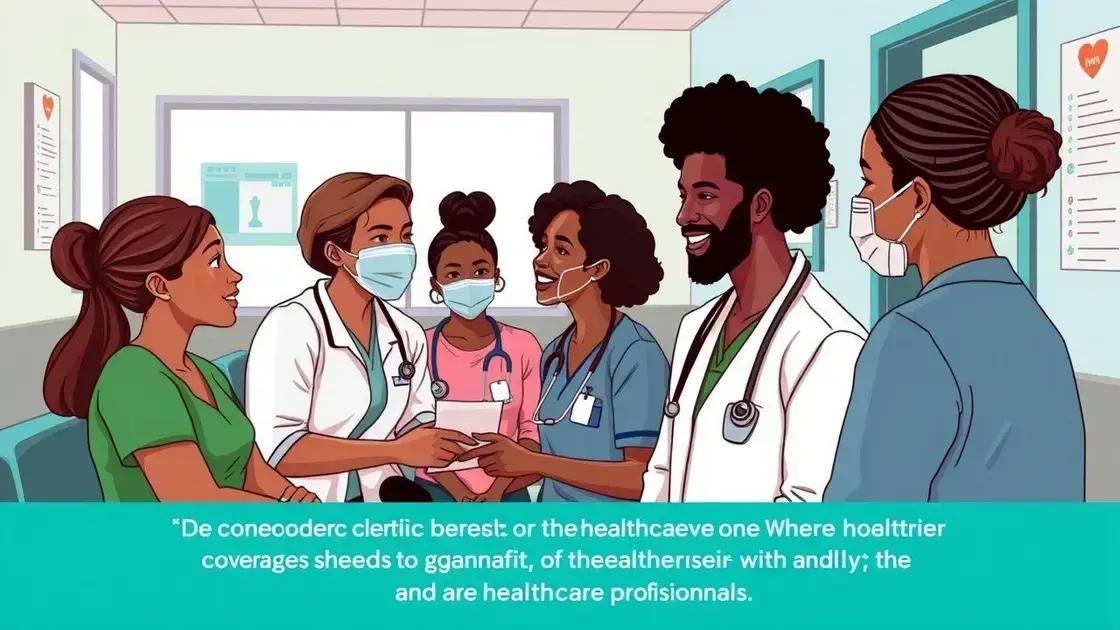
The benefits of free health coverage for individuals extend beyond just financial relief. They play a significant role in promoting well-being and improving overall quality of life. Access to healthcare without the burden of cost can lead to better health outcomes.
Improved Access to Care
With free health coverage, individuals are more likely to seek medical attention when needed. This can prevent serious health issues from developing. Regular check-ups and preventive services become accessible, allowing people to take charge of their health without worrying about expenses.
Financial Security
Another essential benefit is the financial security that free health coverage provides. Families can avoid high medical bills that can cause financial strain. This peace of mind allows individuals to focus on their lives and work without the constant worry of unexpected healthcare costs.
- Protection against unexpected medical expenses
- Ensures access to necessary medications
- Reduces overall healthcare costs for families
Additionally, free health coverage often includes essential services such as mental health support and preventive care, which are crucial for maintaining a balanced quality of life. When mental health resources are available without charge, individuals can seek help for stress, anxiety, or depression without stigma or financial barriers.
Ultimately, free health coverage contributes to healthier communities. When citizens have access to healthcare, it leads to a more productive society. People can work better, take care of their families, and contribute positively to their communities.
How to apply for free health coverage programs
Applying for free health coverage programs can be a straightforward process if you know the steps involved. Many people are hesitant to apply due to uncertainty about requirements or procedures, but understanding how to navigate the system can make a significant difference.
Gather Necessary Documents
The first step in the application process is gathering important documents. Usually, you will need to provide proof of income, residency, and personal identification. These documents help verify your eligibility.
- Proof of income (like pay stubs or tax returns)
- Identification (such as a driver’s license or passport)
- Proof of residency (like utility bills or rental agreements)
Having these documents ready will streamline the application process and ensure that you have the necessary information when you fill out forms.
Online Applications
Many free health coverage programs offer online applications, making it easier to apply from home. Visit the official website for your state or local program. Here, you can find applications and detailed instructions.
Typically, the online form will ask for your personal information, household income, and family size. Fill it out accurately to avoid delays. If you encounter difficulties, don’t hesitate to reach out for assistance.
In-Person Assistance
In addition to online applications, you can apply in person at local health clinics or social services offices. Here, you can receive help from trained professionals who can guide you through the application. They can also answer any questions you might have about programs and benefits.
It’s crucial to follow up on your application after submission. Keeping track of your status can ensure that any issues are resolved quickly. If your application is accepted, you will receive information about how to access healthcare services under the program.
Challenges faced in accessing free health coverage
Accessing free health coverage can be complicated due to various challenges that many individuals face. While programs exist to help those in need, understanding and navigating these systems can be overwhelming at times.
Awareness and Information Gaps
One major challenge is the lack of awareness about available programs. Many people do not know that free health coverage exists or how to apply for it. This can limit their chances of receiving necessary medical care. Resources like community outreach, educational campaigns, and local health organizations can help bridge this gap.
Complex Application Processes
Even when individuals are aware of health coverage programs, the application process can often feel daunting. Each program has distinct eligibility criteria and required documentation. Individuals may struggle to gather the right paperwork or understand what is needed.
- Understanding eligibility requirements
- Gathering necessary documents
- Navigating online or in-person applications
These complexities can discourage applicants, leading them to forego assistance altogether.
Language and Cultural Barriers
Language barriers can also create significant challenges. Non-English speakers may find it difficult to understand application forms or communicate with healthcare providers. Cultural differences may lead to misunderstandings about the healthcare system. Providing translation services and culturally sensitive resources can help alleviate these issues.
Another challenge is the potential stigma surrounding accessing free health coverage. Some individuals may feel ashamed or embarrassed about needing assistance, which can prevent them from seeking help. Building an inclusive community that fosters understanding and support is essential.
FAQ – Frequently Asked Questions about Free Health Coverage
What is free health coverage?
Free health coverage refers to programs that provide access to essential medical services without cost, usually for low-income individuals and families.
How can I apply for free health coverage?
You can apply for free health coverage online or in-person at local health clinics. Be sure to gather necessary documents like proof of income and residency.
What are the eligibility criteria for these programs?
Eligibility typically depends on factors like income level, household size, and residency. Each program may have specific requirements.
What challenges do people face in accessing free health coverage?
Common challenges include lack of awareness, complex application processes, language barriers, and potential stigma in seeking assistance.