Requesting emergency aid efficiently involves gathering necessary documents, avoiding common mistakes, and utilizing local resources to receive timely assistance during urgent situations.
Request emergency aid during crises can feel overwhelming. It’s crucial to know the steps to take and who to contact for immediate assistance. Let’s discuss how to navigate this process effectively.
Understanding the need for emergency aid
Emergency aid is essential in times of crisis. Understanding why it is needed can help you navigate urgent situations better. Emergencies can arise from various factors, such as natural disasters, illness, or other unexpected events.
Why Is Emergency Aid Important?
Several reasons highlight the importance of requesting emergency aid. It can provide immediate assistance to those affected, helping them regain stability.
- Immediate support for basic needs
- Access to medical care and supplies
- Resource allocation for effective relief
- Connection to long-term assistance programs
Understanding how to access emergency aid can significantly improve your situation during a crisis. Many organizations are ready to help, but knowing where to turn is crucial. They offer services like financial assistance, shelter, and food supplies.
Recognizing the Right Time to Seek Aid
It’s important to recognize when you need help. If you are faced with a situation that threatens your safety or well-being, don’t hesitate to reach out. Some of the signs that indicate a need for emergency aid include:
- Loss of shelter due to disaster
- Inability to afford basic necessities
- Urgent medical needs without access to care
- Social isolation during crises
Being prepared and aware can make a difference in how effectively you can secure necessary resources. Emergency aid isn’t just about reacting; it’s also about planning for potential emergencies.
How to request emergency aid efficiently
Knowing how to request emergency aid efficiently can make a significant difference in times of need. It’s crucial to act quickly and be prepared with the right information.
Steps to Request Emergency Aid
First, identify your immediate needs. Are you seeking food, shelter, or medical assistance? Each type of aid may require different steps for application.
- Gather necessary documentation like identification and proof of income.
- List local resources such as shelters, food banks, and medical facilities.
- Contact relevant organizations either online or by phone.
When you reach out, be clear about your situation. Explain your circumstances so that the aid providers understand your needs. This clarity will help them assist you more effectively.
Important Contacts for Emergency Aid
Having a list of essential contacts can streamline the process. Consider including:
- Local government offices
- Nonprofit organizations specializing in disaster relief
- Community hotlines
- Charitable food assistance programs
In addition, many organizations now have online portals for aid requests. Utilizing these resources can save time and help you access aid faster.
The first step is always the hardest, but knowing how to navigate the process will lead you to the help you need. Being proactive and organized will enable you to secure the assistance you’re looking for.
Essential documents for emergency aid requests
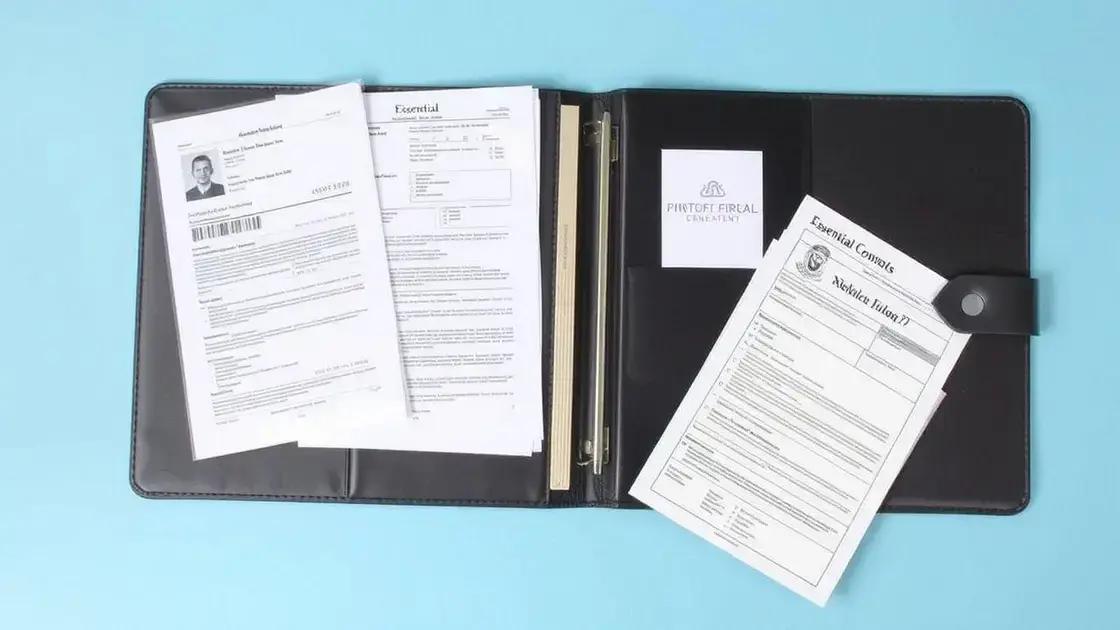
When requesting emergency aid, having the right documents ready is crucial. These documents help organizations assess your situation quickly and accurately.
Key Documents You May Need
First, it’s important to gather essential paperwork. This can include identification, proof of residence, and financial information. These documents establish who you are and your current living situation.
- A government-issued ID or driver’s license.
- Proof of income, such as pay stubs or tax returns.
- Utility bills or a lease agreement to prove residency.
- Medical records if seeking health-related assistance.
In addition to these, some organizations may request proof of your situation. This could include documentation of job loss, medical emergencies, or damage from natural disasters. Keeping this information handy can streamline your aid request process.
Why Documents Matter
Submitting the correct documents can significantly speed up the assistance you receive. Organizations rely on these records to verify your claims and understand your needs. Not having the necessary documentation can delay your aid.
Make sure to keep copies of all documents you submit, in case you need to refer back to them later. Being organized can make the process easier and help ensure that you receive the support you need in a timely manner.
Common mistakes in emergency aid applications
When applying for emergency aid, it’s easy to make mistakes that can delay assistance. Understanding the common mistakes people make can help you avoid them and improve your chances of receiving help quickly.
Incomplete Applications
One of the main errors is submitting an incomplete application. Make sure to fill out all required fields and provide necessary documentation. Missing information can lead to delays or even rejection.
- Double-check that you have included all personal details.
- Ensure that you submit proof of income and residency.
- Check if additional documentation is requested by the organization.
Providing clear and complete information will help the organization process your application faster.
Not Following Up
Another common mistake is not following up on your application. Once you submit your request, it’s essential to check in periodically. This shows your commitment and may prompt quicker action on your case.
Being proactive can make a significant difference. Reach out to the organization to confirm they received your application and inquire about the expected timeline for response.
Focusing on One Source of Aid
Lastly, relying on just one source of emergency aid can limit your options. Many organizations exist to help in different areas. It’s wise to explore multiple avenues for assistance.
- Research local nonprofits and government resources.
- Don’t hesitate to reach out to various organizations simultaneously.
- Consider online platforms that provide information on available resources.
By being aware of these common pitfalls, you can enhance your chances of receiving the help you need during an emergency.
Resources for locating emergency aid services
Finding emergency aid services can be overwhelming, especially during a crisis. Knowing where to look and what resources are available can make the process smoother.
Online Directories
One of the best places to start is with online directories. These provide a list of organizations that offer emergency assistance. Websites such as 211.org can connect you to local resources.
- Search for nonprofit organizations in your area.
- Explore government resources that list assistance programs.
- Look for community centers that may have information about local services.
These directories often allow you to filter options based on your specific needs, whether you require food, shelter, or medical help.
Local Government Resources
Your local government office can also be a vital resource. They typically offer emergency assistance programs that help residents in need. You can find information about:
- Disaster relief programs
- Housing assistance
- Medical emergency services
- Food assistance programs
Contacting local representatives can provide insight into services available in your area.
Community Organizations and Faith-Based Groups
Community organizations and faith-based groups often play a significant role in providing emergency aid. Many operate food pantries, shelters, and provide financial assistance. Reaching out to these local groups can connect you to invaluable support. They are usually well-informed about the challenges residents face.
Networking with neighbors can also help point you toward hidden resources. Don’t hesitate to ask for guidance when you need help.
FAQ – Common Questions About Requesting Emergency Aid
What types of emergency aid are available?
Emergency aid can include food assistance, shelter, medical care, and financial support for urgent needs.
How do I find local emergency aid resources?
You can search online directories, contact local government offices, or reach out to community organizations and churches for help.
What documents do I need to apply for emergency aid?
Typically, you need ID, proof of income, residency documents, and possibly any evidence related to your emergency situation.
Is it okay to apply for assistance from multiple organizations?
Yes, applying to multiple organizations can increase your chances of receiving the help you need promptly.