During stock market downturns, investors should stay calm, diversify their portfolios, avoid panic selling, and look for buying opportunities based on key economic indicators and global events.
Today’s stock market drop has caused quite a stir among investors. Many are left wondering how it affects their portfolios and future financial plans. Let’s delve into what this drop could mean for you.
Reasons behind today’s stock market drop
The reasons behind today’s stock market drop are varied and complex. Investors are concerned about multiple factors that have influenced the market recently. Understanding these causes can help you navigate the uncertainty that often accompanies such downturns.
Economic Indicators
Several economic indicators have shown signs of weakness. For instance, rising inflation rates and declining consumer confidence can lead to increased market volatility. As these indicators fluctuate, investors often react rapidly, contributing to market drops.
Global Events
Another significant factor is the impact of global events. Political instability, trade tensions, and unexpected natural disasters can create uncertainty in the markets. These elements cause investors to reassess their positions, often resulting in a sell-off that drives prices down.
Interest Rates
Changes in interest rates also play a crucial role in market fluctuations. When interest rates rise, borrowing becomes more expensive. This can slow down economic growth, leading to a decrease in stock values.
- Interest rate hikes making loans costlier
- Investor reactions to governmental fiscal policies
- Impact of central bank decisions on liquidity
Market psychology cannot be overlooked either. Fear and speculation often drive investor behavior, especially during uncertain times. A drop in stock prices can lead to panic selling, further exacerbating the decline.
Sector-Specific Issues
Specific sectors may face unique challenges, contributing to the market’s overall drop. For example, technology stocks may decline due to regulatory scrutiny, while energy stocks may be affected by fluctuations in oil prices.
In summary, it’s essential to keep an eye on multiple factors when considering the reasons behind today’s stock market drop. By staying informed and understanding the underlying causes, you can make better investment decisions moving forward.
How market fluctuations affect everyday investors
Market fluctuations can significantly impact everyday investors. Understanding these effects is crucial for maintaining a healthy investment strategy. The way the market moves can cause a range of reactions and decisions among individual investors.
Investment Confidence
When the market drops, it often leads to decreased investment confidence. Investors may panic, feeling uncertain about the future of their assets. This anxiety can lead to hastily selling stocks at a loss, which may not always be the best decision.
Portfolio Adjustments
Frequent market fluctuations prompt investors to reassess their portfolios. They may choose to diversify their investments to mitigate risk. This process includes analyzing asset allocation and considering new investment opportunities that could better withstand market volatility.
- Reviewing stock performance regularly
- Researching alternative investments
- Adjusting bond holdings in response to market changes
The emotional aspect of investing also plays a significant role. When markets fluctuate, investors often experience stress and anxiety. This emotional strain can cloud judgment and lead to poor investment choices. It’s important to stay informed and grounded during these times.
Long-Term Perspectives
Despite the immediate impact of market fluctuations, it’s essential for everyday investors to keep a long-term perspective. Staying focused on long-term goals helps prevent rash decisions based on short-term market movements. Emphasizing discipline and a well-thought-out strategy is key to navigating market ups and downs.
In times of uncertainty, utilizing resources for guidance can be beneficial. Seeking advice from financial advisors or utilizing reliable financial news sources can help investors make informed decisions that align with their objectives.
Historical perspective on stock market drops
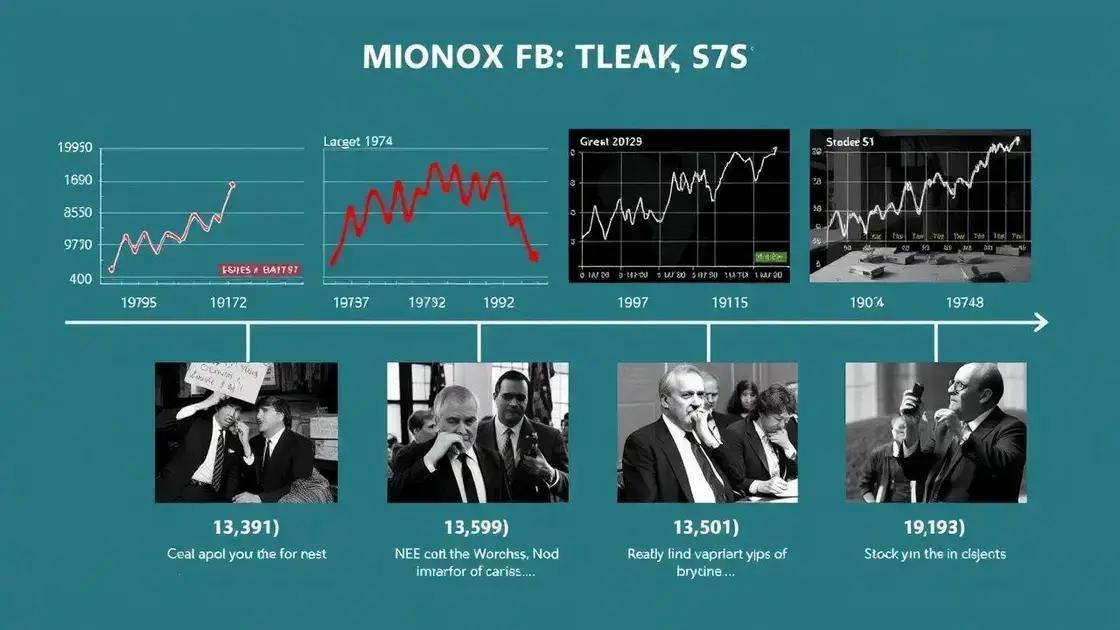
Understanding the historical perspective on stock market drops can provide valuable insights for today’s investors. By looking at past market declines, we can better comprehend the reasons behind them and how they affected the economy and investors.
Major Historical Crashes
Several major crashes have shaped the stock market throughout history. For example, the Great Depression of 1929 marked a significant downturn that lasted several years, affecting countless investors and businesses alike. More recently, the 2008 financial crisis caused a severe dip due to housing market failures and risky investment practices.
Patterns of Recovery
After every market drop, patterns of recovery typically emerge. Investors often notice that, while declines can be sharp and scary, markets tend to recover over time. Historical data shows that patience is crucial, as holding investments through downturns often leads to eventual gains.
- Long-term uptrends follow most significant drops
- Market rebounds can take months or years
- Investors adapting strategies during recoveries
The psychology of investors plays a considerable role during drops and recoveries. Fear and panic often lead to hasty decisions, whereas a historical overview can reassure investors to think long-term. In fact, understanding past market behavior might encourage a more measured approach in times of uncertainty.
Lessons Learned
Each historical drop offers lessons that are relevant today. For example, the need for diversification can be traced back to market crashes where singular investments lost significant value. Investors who spread their investments across different sectors are often better positioned to withstand volatility.
Additionally, past drops highlight the importance of emergency funds. Investors who have liquidity available can handle market downturns more effectively, avoiding the need to sell assets at a loss.
Tips for investors during market downturns
Having a solid plan is essential for investors during market downturns. These challenging times can be nerve-wracking, but knowing what steps to take can help protect investments.
Stay Calm and Avoid Panic Selling
First and foremost, it’s crucial to stay calm. When markets drop, many investors feel the urge to sell quickly to avoid further losses. However, panic selling often leads to more significant losses. Instead, take a moment to assess the situation and think critically about your investments.
Diversify Your Portfolio
Another tip is to ensure that your portfolio is well-diversified. Holding a mix of asset types can cushion the impact of market drops. Diversification spreads risk across different investments, reducing the likelihood of severe losses.
- Include stocks from various sectors
- Invest in bonds for stability
- Consider alternative investments like real estate
Additionally, evaluating your investment strategy can be beneficial. Reassessing your goals and time horizons allows for adjustments that fit your current situation. You might find that certain investments no longer align with your financial objectives.
Consider Buying Opportunities
Market downturns can also present buying opportunities. As stock prices fall, great companies might become undervalued. A keen eye can find these chances, allowing investors to acquire shares at a lower cost.
On the flip side, maintaining sufficient cash reserves is vital. Having liquidity not only provides security but also enables investors to take advantage of market opportunities that arise during downturns.
Finally, seeking professional advice can make a significant difference. Consulting a financial advisor can provide insights tailored to your specific needs, helping to navigate through tough times with confidence.
What to watch for in the coming weeks
As markets continue to fluctuate, knowing what to watch for in the coming weeks is crucial for investors. Staying informed helps in making better decisions during uncertain times.
Economic Indicators
First, keep an eye on key economic indicators. Reports on employment rates, consumer spending, and inflation can provide insights into the overall health of the economy. A sudden change in these indicators can influence market sentiment and trigger price movements.
Federal Reserve Announcements
Next, pay attention to announcements from the Federal Reserve. Their decisions on interest rates directly affect market dynamics. A rate hike might signal tightening economic conditions, while rate cuts can inject liquidity into the market.
- Monitor Federal Reserve meeting schedules
- Follow expert analyses on potential rate changes
- Understand the impacts of monetary policy
Additionally, watch for earnings reports from major companies. These reports often sway investor confidence. If companies beat expectations, it may lift markets, while disappointing results might have the opposite effect. Also, keep track of sector performance to spot trends.
Global Events
Global events should also be on your radar. Geopolitical tensions, trade negotiations, and pandemics can create unrest in the markets. Being aware of these ongoing issues helps investors anticipate market reactions.
Lastly, staying engaged with financial news and analyses keeps you updated. Various platforms can provide real-time information about market shifts, enabling you to make informed choices. Active participation in your investment journey is vital.
In summary, understanding the dynamics of the stock market is essential, especially during downturns. By staying informed about economic indicators, central bank decisions, and global events, you can make better investment choices. Remember to keep a diversified portfolio and avoid panic selling. When market fluctuations occur, think long-term and stay aware of buying opportunities. Following these tips will help you navigate the complexities of investing with greater confidence.
FAQ – Frequently Asked Questions about Stock Market Fluctuations
What are the main factors causing stock market drops?
The main factors include economic indicators, global events, interest rate changes, and investor psychology, all of which can lead to market volatility.
How can I protect my investments during a market downturn?
To protect your investments, stay calm, diversify your portfolio, avoid panic selling, and consider buying undervalued stocks.
What economic indicators should I monitor?
Key indicators to watch include employment rates, consumer spending, inflation rates, and GDP growth as they can provide insights into market health.
When should I seek professional financial advice?
You should consider seeking professional advice if you’re unsure about your investment strategy, during periods of market volatility, or when you plan to make significant changes to your portfolio.