US fuel prices fluctuate based on global oil markets, local demand, taxes, and government policies, making it essential for consumers to stay informed and use strategies for cost savings.
US fuel prices today are at the forefront of everyone’s minds, especially with fluctuating costs impacting our daily budgets. Ever wondered how these prices affect your wallet and travel plans? Let’s dive in.
Current trends in US fuel prices
Understanding the current trends in US fuel prices is essential for every driver today. Prices can vary significantly due to various factors, and keeping track can help you save money.
Recent Price Changes
Fuel prices are influenced by global oil markets, seasonal demand, and even local events. Recently, we have seen fluctuations in prices that are responding to both international and domestic pressures in the fuel industry.
Factors Causing Price Variations
This year has been particularly volatile. Some of the reasons for this include:
- Global oil supply: Disruptions in supply chains due to geopolitical issues can lead to increased prices.
- Local demand: Areas with high demand often see a spike in prices, especially during holidays or travel seasons.
- Environmental regulations: Stricter regulations can limit supply, which also affects prices.
Tracking local trends can make a substantial difference. Prices might be higher near highways but can be much lower in residential areas. Checking apps or websites can help you find better deals in your area.
Keeping an eye on trends can also inform your travel plans. If prices are expected to rise, filling up in advance can save you money. Additionally, knowing when to travel can influence your overall costs, such as avoiding congested travel days.
It is crucial to understand that fuel prices are dynamic. They change not only based on external factors but also according to seasonal patterns. Filling up before major holidays might help you skip the surge in prices that often accompanies these events.
Factors influencing fuel price fluctuations
Numerous factors influencing fuel price fluctuations impact what you pay at the pump. Understanding these elements helps you anticipate changes and potentially save money.
Global Oil Prices
The price of crude oil on the global market significantly affects local fuel prices. When crude oil prices rise, we often see fuel costs follow suit. Economic conditions, such as supply and demand dynamics, directly influence these prices.
Seasonal Variations
Throughout the year, demand for fuel can change drastically. During the summer months, for example, there is often a surge in travel, which can cause prices to rise. Conversely, demand may drop in the winter, potentially leading to lower prices.
- Holidays: Peak travel times, like major holidays, usually lead to increased prices.
- Weather events: Hurricanes or severe winter storms can disrupt supply lines.
- Refinery maintenance: Scheduled upkeep can limit supply and increase prices.
Additionally, local economic conditions play a role. Areas with higher population densities may experience stronger demand, leading to higher prices. In contrast, regions with less demand may have lower costs for consumers.
Legislation and taxes can also influence prices at the gas station. States with higher taxes on fuel often have elevated prices compared to those with lower taxes. Monitoring such regulations can provide insight into price variations over time.
Finally, competition poses an interesting factor in fuel pricing. Gas stations in high-competition areas may lower their prices to attract customers, while those in isolated locations might charge more due to limited choices.
Regional differences in fuel costs
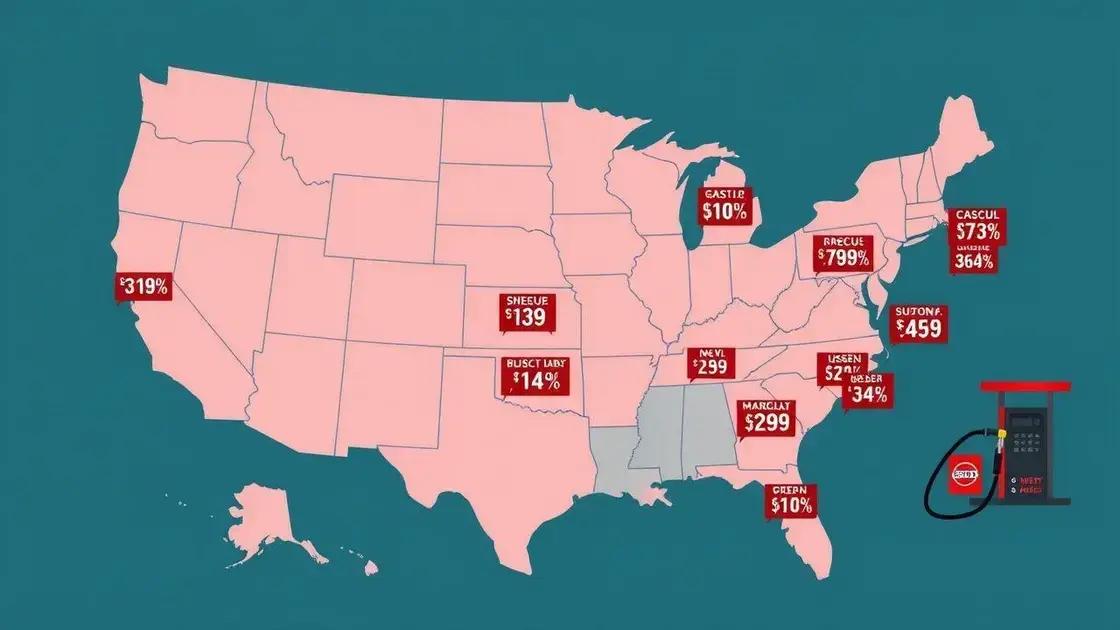
Regional differences in fuel costs can significantly affect how much you pay at the pump. These differences exist for various reasons, including local regulations and market conditions.
How State Taxes Impact Prices
One of the primary reasons for regional disparities is state taxes on fuel. States with higher fuel taxes naturally have higher gas prices. For example, California typically has some of the highest fuel taxes in the country, leading to elevated prices compared to states like Texas, where taxes are much lower.
Supply and Demand Dynamics
Another factor contributing to fuel cost differences is supply and demand within a region. Areas with high demand, such as urban centers, often experience higher prices. On the other hand, rural areas might have lower prices due to less demand.
- Local competition: In urban areas, multiple gas stations may lead to competitive pricing.
- Accessibility: Regions closer to refineries often have lower transportation costs, affecting prices.
- Seasonal changes: Prices can vary based on seasonal travel patterns or tourism.
Local events, such as festivals or highways being closed, can influence the availability of fuel, which may subsequently impact prices. An increased influx of visitors or road closures can create temporary spikes in fuel costs.
Additionally, natural disasters like hurricanes can disrupt supply lines, affecting specific regions more severely than others. Gas prices may rise in affected areas due to shortages resulting from these unexpected events.
In summary, understanding these regional differences can help consumers make informed decisions about where to fill up their tanks. Recognizing the specific factors affecting your area gives you the power to find the best deals on fuel.
Tips for saving on fuel expenses
Saving on fuel expenses is important for many drivers, especially in times of fluctuating prices. Implementing a few smart strategies can lead to significant savings over time.
Maintain Your Vehicle
Regular maintenance of your vehicle can enhance its fuel efficiency. Simple tasks such as keeping tires properly inflated and getting regular oil changes can help.
Plan Your Routes
Planning your routes can make a big difference. Using GPS apps that account for traffic can help you avoid congested areas. This not only saves time but also reduces fuel consumption.
- Avoid idling: Turn off your engine if you expect to be stopped for more than a minute.
- Combine trips: Plan shopping or errands to limit the number of trips you take.
- Consider carpooling: Sharing rides with others can cut your fuel costs in half.
Using public transportation when available can also help you save on gas. It’s a cost-effective option, especially for those living in urban areas where transit is accessible.
Additionally, driving style plays a role in fuel efficiency. Gentle acceleration and smooth braking can significantly reduce fuel consumption. Speeding not only wastes gas but can also result in costly tickets.
Moreover, consider using fuel rewards programs offered by many gas stations. Signing up for these programs can lead to discounts and points that save you money in the long run.
Staying informed about local fuel prices is also beneficial. Using fuel comparison apps can help you find the cheapest gas prices in your vicinity. This small effort can lead to substantial savings over time.
Future predictions for US fuel prices
Future predictions for US fuel prices are influenced by various economic and environmental factors. Analyzing these elements can give consumers insight into potential price trends.
Global Market Trends
The global oil market remains a significant predictor of fuel prices. As economies rebound post-pandemic, increased demand for oil could drive prices up. Conversely, shifts towards renewable energy may lead to a gradual decrease in fuel demand over the coming decades.
Government Policies
Government regulations also play a vital role in shaping fuel prices. Initiatives aimed at reducing carbon emissions, such as stricter regulations on oil drilling and vehicle emissions, can affect supply and demand dynamics. Policies promoting electric vehicles may also impact conventional fuel consumption.
- Investment in renewable energy: Greater investment may reduce reliance on fossil fuels.
- Tax incentives: These can encourage the adoption of fuel-efficient vehicles.
- Infrastructure changes: Investments in public transportation may alter how much fuel people use.
Technological advancements can further influence prices. Innovations in extraction methods, like fracking or advanced drilling techniques, could enhance supply, potentially stabilizing or lowering costs.
Seasonal patterns continue to affect prices as well. Summer driving seasons often bring price increases due to heightened demand. Similarly, events like hurricanes can disrupt supply chains, leading to short-term spikes.
Moreover, consumer behavior shifts, such as increased preference for environmentally friendly options, can alter market dynamics. As more people adopt electric and hybrid vehicles, demand for standard gasoline may decrease, impacting prices.
In conclusion, understanding US fuel prices involves looking at a variety of factors, including global markets, government policies, and regional differences. Monitoring trends can help you make informed decisions about fuel purchases. By applying a few smart strategies, such as maintaining your vehicle and planning your routes, you can better manage your fuel expenses. As we look to the future, staying informed about potential price changes will be beneficial for drivers across the country.
FAQ – Frequently Asked Questions About US Fuel Prices
What factors influence fuel prices in the US?
Fuel prices in the US are influenced by global oil markets, local demand, government policies, and regional differences.
How can I save money on fuel expenses?
You can save money by maintaining your vehicle, planning efficient routes, and using apps to find the best gas prices.
Why do fuel prices fluctuate seasonally?
Fuel prices often increase during peak travel seasons such as summer and holidays due to higher demand.
What are the future predictions for US fuel prices?
Future fuel prices may increase due to rising global demand or decrease as electric vehicles become more popular and policies shift towards renewable energy.